New Program: Boosting Rural Nebraska Health
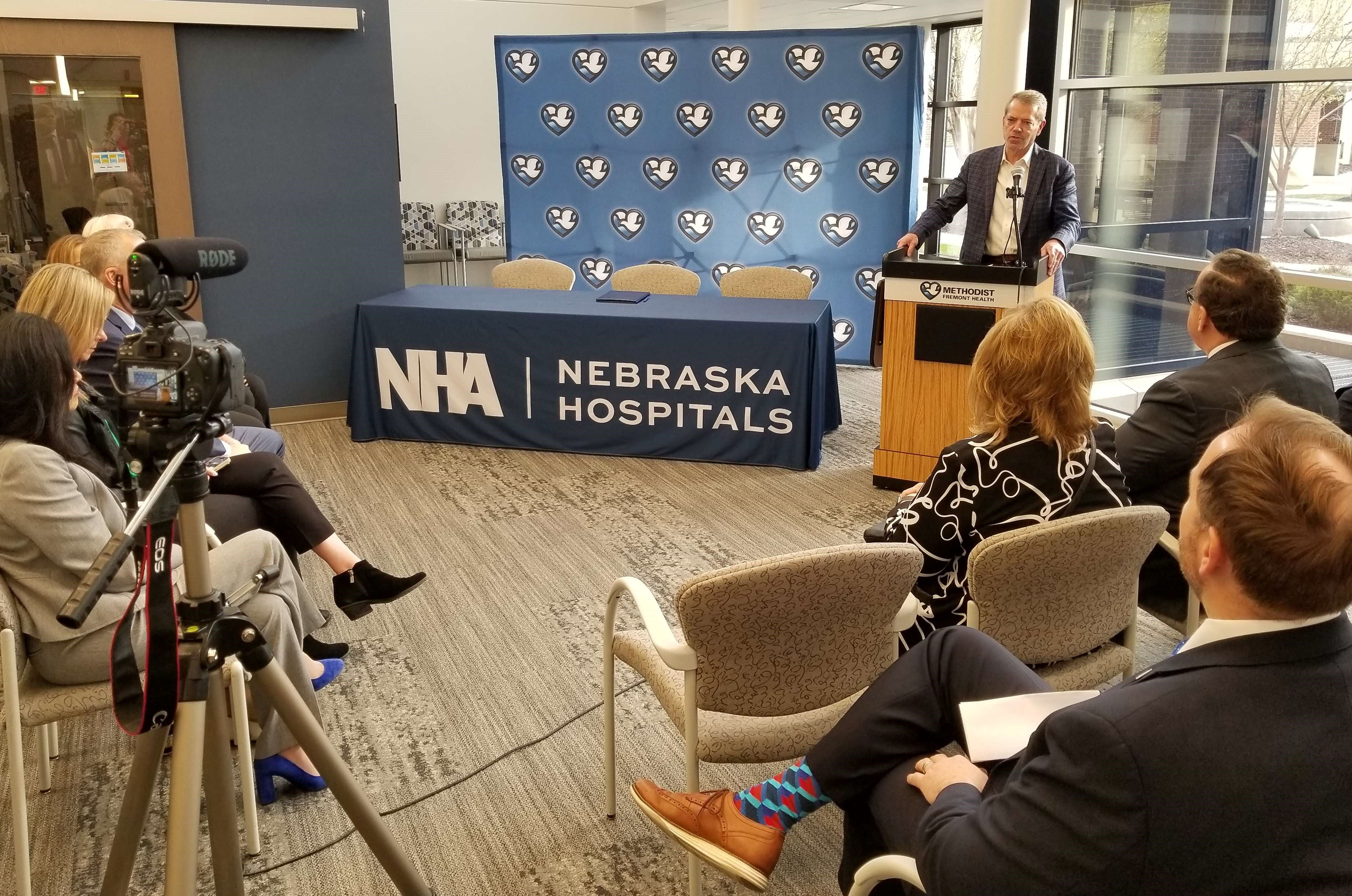
Rural communities worldwide face unique challenges, from economic stagnation to limited access to essential services. Addressing these issues requires a comprehensive and strategic approach. Recognizing this critical need, a significant initiative has been launched. This new program: boosting rural development aims to revitalize these areas. It seeks to foster sustainable growth, enhance quality of life, and unlock the full potential of rural populations.
This initiative is designed to be multi-faceted, targeting various sectors crucial for rural prosperity. It moves beyond traditional aid models. Instead, it focuses on empowering local communities. The program promotes self-sufficiency and long-term resilience. Through strategic investments and collaborative efforts, the new program: boosting rural areas will create lasting positive change. It will build robust foundations for future generations.
Understanding the Core Objectives of the New Program: Boosting Rural Development
The primary goal of this comprehensive initiative is to reverse the trend of decline in rural regions. It aims to transform them into vibrant, economically dynamic, and socially cohesive communities. The new program: boosting rural prosperity is built upon several foundational pillars. These pillars address the most pressing issues identified through extensive research and community consultations. Each objective is designed to complement the others. This ensures a holistic approach to development.
Key objectives include stimulating economic diversification. It also focuses on improving critical infrastructure. Enhancing access to education and healthcare is another vital aim. The program also seeks to strengthen local governance and community engagement. These objectives collectively form the backbone of the new program: boosting rural areas. They guide its implementation across diverse geographical and socio-economic landscapes.
Driving Economic Diversification and Innovation through the New Program: Boosting Rural Areas
Economic stagnation is a persistent issue in many rural areas. This often stems from an over-reliance on a single industry. The new program: boosting rural economies directly addresses this challenge. It promotes diversification beyond traditional sectors like agriculture or resource extraction. The initiative encourages the growth of new industries. These include technology, tourism, and small-scale manufacturing. Supporting local entrepreneurship is also a core component.
The program provides funding and mentorship for new businesses. It facilitates access to capital for rural entrepreneurs. Training programs are also offered. These equip residents with skills relevant to emerging markets. This strategic focus aims to create diverse job opportunities. It also builds resilient local economies. The new program: boosting rural innovation hubs are being established. These foster creativity and technological adoption. Such hubs connect rural businesses to broader markets. This helps them thrive in a competitive landscape. For instance, digital literacy programs can help rural businesses expand their reach online, tapping into new customer bases and markets previously inaccessible. Economic diversification is crucial for long-term stability.
- Support for Agribusiness Innovation: Investing in sustainable farming practices. Promoting value-added agricultural products.
- Tourism Development: Funding for ecotourism initiatives. Marketing rural attractions.
- Small Business Incubation: Providing co-working spaces. Offering business development workshops.
- Technology Adoption: Subsidizing broadband access. Training in digital skills for commerce.
Enhancing Infrastructure for Sustainable Growth
Robust infrastructure is the bedrock of any thriving community. Rural areas frequently suffer from inadequate infrastructure. This includes poor roads, limited internet access, and outdated public utilities. The new program: boosting rural infrastructure aims to rectify these deficiencies. It prioritizes investments in key areas. These improvements are essential for both economic activity and quality of life. Modern infrastructure attracts investment. It also retains skilled workers. It is a critical enabler for the success of the new program: boosting rural communities.
Investments focus on improving transportation networks. This includes roads, bridges, and public transit options. Expanding high-speed internet access is also a top priority. This bridges the digital divide. Upgrading water and sanitation systems ensures public health and environmental sustainability. Reliable energy infrastructure is also being developed. These initiatives create a conducive environment for growth. They ensure that rural residents have access to modern amenities. The new program: boosting rural infrastructure projects are selected based on community needs. They are also evaluated for their long-term impact and sustainability.
Improving Access to Essential Services Through the New Program: Boosting Rural Livelihoods
Access to quality education and healthcare is a fundamental right. Yet, these services are often scarce in rural settings. The new program: boosting rural well-being addresses this disparity directly. It implements strategies to bring essential services closer to residents. This reduces travel burdens and improves outcomes. The program recognizes that healthy, educated populations are more productive. They contribute more effectively to their communities. This focus on human capital is integral to the new program: boosting rural development.
Healthcare Accessibility and Innovation
Rural healthcare faces challenges such as doctor shortages and limited specialized care. The new program: boosting rural healthcare initiatives aim to bridge these gaps. It supports the establishment of community health centers. Telemedicine services are being expanded. These allow remote consultations with specialists. Mobile clinics are also deployed to serve isolated populations. Funding for training and retaining rural healthcare professionals is also provided. This ensures long-term staffing stability. The program also emphasizes preventative care. It promotes health education within communities. Such interventions are vital for the success of the new program: boosting rural health outcomes. For example, promoting an active lifestyle can significantly improve health outcomes in these areas. Discover low impact calisthenics exercises for senior joints to support community well-being.
- Telehealth Expansion: Granting access to remote medical consultations.
- Rural Clinic Support: Funding for new facilities and equipment.
- Healthcare Professional Incentives: Scholarships and loan forgiveness for rural practitioners.
- Preventative Health Programs: Community workshops on nutrition and exercise.
Educational Opportunities and Workforce Development
Education is a powerful catalyst for individual and community advancement. Rural schools often lack resources compared to urban counterparts. The new program: boosting rural education seeks to level the playing field. It invests in modernizing school facilities. It also provides technology and educational materials. Teacher training and recruitment initiatives are also supported. The program also focuses on vocational training. These programs prepare students for local job markets. Partnerships with colleges and universities offer pathways to higher education. This ensures a skilled workforce for the future. The new program: boosting rural workforce development is crucial. It supports economic diversification efforts. It also empowers individuals to achieve their full potential.
Strengthening Local Governance and Community Engagement
Effective local governance and active community participation are vital for sustainable development. The new program: boosting rural areas places a strong emphasis on these elements. It recognizes that solutions are most effective when they originate from within the community. The program works to empower local leaders and organizations. It provides them with the tools and resources needed to drive change. This bottom-up approach ensures that initiatives are relevant and responsive to local needs. It also builds a sense of ownership among residents. This is critical for the long-term success of the new program: boosting rural initiatives.
Empowering Local Leadership and Institutions
Many rural communities benefit from stronger local administrative capacities. The new program: boosting rural governance support provides training for local officials. It helps them in areas like financial management, strategic planning, and project implementation. Technical assistance is also offered. This helps municipalities navigate complex regulations and access funding. The program also encourages inter-community collaboration. This fosters regional approaches to common challenges. By strengthening local institutions, the new program: boosting rural areas ensures that development efforts are sustained. It also promotes accountability and transparency in local decision-making.
Fostering Community Participation and Collaboration
Community engagement is at the heart of the new program: boosting rural development. The initiative actively involves residents in planning and implementing projects. It establishes community advisory boards. Public forums are organized to gather input and feedback. Volunteerism and local advocacy efforts are also encouraged. This participatory approach ensures that projects align with community priorities. It also builds social cohesion and collective action. By fostering a sense of shared responsibility, the new program: boosting rural initiatives create resilient and self-reliant communities. This collaborative spirit is key to overcoming obstacles. It ensures that the benefits of the program are widely shared. Community development strategies are central to this approach.
Measuring Impact and Ensuring Sustainability of the New Program: Boosting Rural Futures
The success of any development initiative hinges on its ability to demonstrate tangible results. It also depends on its long-term viability. The new program: boosting rural prosperity is designed with robust monitoring and evaluation frameworks. These measure progress against established goals. They also identify areas for improvement. Sustainability is a core principle. This ensures that the positive changes endure beyond the program's initial funding cycle. The commitment to accountability and continuous learning is paramount for the new program: boosting rural initiatives.
Robust Monitoring and Evaluation
A comprehensive system tracks key performance indicators (KPIs) across all program components. Data is collected on economic growth, job creation, and infrastructure improvements. Health and education outcomes are also meticulously monitored. Regular assessments provide insights into the program's effectiveness. They also highlight any unintended consequences. This data-driven approach allows for adaptive management. It ensures resources are deployed efficiently. It also allows strategies to be adjusted as needed. The transparency of this process builds trust. It also reinforces the credibility of the new program: boosting rural development efforts. Understanding recovery is also part of overall community health. For more insights, explore recovery tips senior calisthenics joint pain. This helps in understanding holistic well-being.
Building Long-Term Sustainability
Sustainability is integrated into every aspect of the new program: boosting rural framework. Projects are designed to be environmentally sound and economically viable. They also aim to be socially inclusive. Capacity building for local institutions ensures they can manage and maintain new assets. Diversifying funding sources reduces reliance on external aid. This includes promoting local revenue generation. Fostering strong partnerships between government, private sector, and civil society organizations also contributes to sustainability. These measures ensure that the benefits of the new program: boosting rural investment continue to accrue for generations. It creates a lasting legacy of prosperity and resilience.
Challenges and Adaptive Strategies for the New Program: Boosting Rural Resilience
Implementing a large-scale development program in diverse rural settings is inherently complex. It presents numerous challenges. These can range from geographical isolation to socio-cultural barriers. The new program: boosting rural initiative acknowledges these hurdles. It adopts a flexible and adaptive approach. This allows for adjustments based on local contexts and emerging realities. Proactive problem-solving and continuous learning are critical. They ensure the program remains effective and responsive. This commitment to adaptability strengthens the overall impact of the new program: boosting rural communities.
Addressing Geographical and Logistical Hurdles
Many rural areas are remote and difficult to access. This complicates infrastructure development and service delivery. The new program: boosting rural logistics team employs innovative solutions. These include modular construction techniques and drone technology for surveys. Partnerships with local transport providers help overcome last-mile delivery challenges. Decentralized implementation models empower regional offices. This allows them to respond quickly to local needs. These strategies are essential for the effective rollout of the new program: boosting rural projects across vast and varied landscapes.
Overcoming Socio-Cultural and Economic Barriers
Resistance to change, traditional practices, and existing power structures can impede development efforts. The new program: boosting rural approach emphasizes cultural sensitivity and community dialogue. It engages local elders and respected community figures. This builds trust and facilitates acceptance of new initiatives. Economic disparities within rural areas are also addressed. Targeted support ensures that the most vulnerable populations benefit. The program promotes inclusivity. It ensures that all voices are heard. This helps to mitigate potential conflicts and foster collective progress. The new program: boosting rural initiatives are designed to respect and integrate local customs.
Case Studies: Early Successes of the New Program: Boosting Rural Initiatives
The initial phases of the new program: boosting rural deployment have already yielded encouraging results. Several pilot projects demonstrate the transformative potential of this initiative. These early successes provide valuable lessons. They also offer a blueprint for future expansion. These case studies highlight the diverse impacts of the new program: boosting rural efforts. They showcase its ability to adapt to different regional needs.
Revitalizing a Remote Agricultural Village
In a historically isolated village, the new program: boosting rural efforts focused on agricultural modernization. It also improved market access. Investments in irrigation systems and sustainable farming techniques doubled crop yields. A new community processing facility created local jobs. It also allowed farmers to sell higher-value products. The construction of an all-weather road significantly reduced transport costs. It connected the village to regional markets. This comprehensive intervention transformed the village economy. It also improved the livelihoods of hundreds of families. This exemplifies the holistic approach of the new program: boosting rural development.
Digital Transformation in a Mountainous Region
A remote mountainous area previously suffered from a severe digital divide. The new program: boosting rural initiative prioritized broadband expansion. High-speed internet infrastructure was installed. This connected homes, schools, and health clinics. This access enabled online learning for students. It also facilitated telemedicine services for residents. New opportunities for remote work emerged. This stemmed the tide of youth out-migration. Local businesses were able to expand their customer base online. This case demonstrates how targeted digital investment, a key part of the new program: boosting rural strategy, can unlock significant potential. Good nutrition is also important for all ages. Consider nutrition for senior joint health calisthenics for overall community health.
The new program: boosting rural communities represents a significant commitment. It aims to foster equitable development and unlock the full potential of rural areas. By addressing economic, infrastructure, service, and governance challenges, it lays a strong foundation. This initiative is not merely about providing aid. It is about empowering communities to build their own sustainable futures. The ongoing success of this new program: boosting rural transformation will serve as a model for global development efforts. It underscores the profound impact of strategic, community-driven investment.
It underscores the profound impact of strategic, community-driven investment. As we look ahead, the continued implementation and evolution of the new program: boosting rural communities will require sustained collaboration from all stakeholders. This collective effort promises not only to transform individual rural areas but also to contribute significantly to national prosperity and well-being, demonstrating that investing in rural strength is an investment in the future of all.
Post a Comment